
Just one more reload.
Ever loaded a game to take back a choice you regretted? Players call that save scumming. How did such a tempting little habit get such an ugly name?
You pick the funny answer in a game. The friend you’re talking to takes it badly and walks out. That’s a bit much. You load the game you saved a minute ago, pick the kind answer instead, and this time your friend stays.
That’s save scumming. You’ve gone back to an earlier moment because you know how the first try turned out. You might do it for a laugh, to keep a favorite character alive, or just because the joke sounded better in your head. So where does the “scum” part come in?
One clue comes from a player named John May. In 1996 he told an online discussion group about a fight he’d lost to an ogre. He could think of several things he should have done differently. But going back to try one of them would have spoiled the very thing he wanted to find out: could he beat this game on one life?
When the manual told you to save first
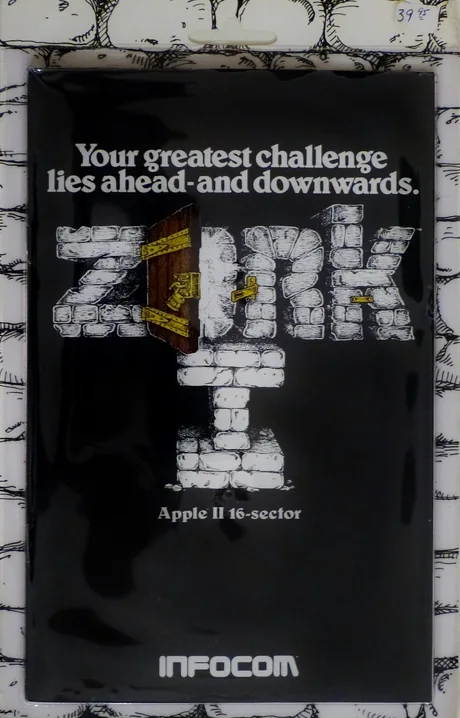
People were arguing about second chances long before May met his ogre. Back in 1981, Zork described an underground world entirely in words. It told you what you could see, you typed what you wanted to do, and it told you what happened next. A few words were enough to get you killed. If you’d saved your place on a floppy disk first, you could come back and try something else.
Bob Liddil thought that was a lousy way to play. In his review for BYTE magazine, he called people who saved before danger “cowards.” In his eyes the save command was there so you could quit for the night, or so a power cut wouldn’t cost you the whole adventure.
Liddil had played an advance copy without instructions. Imagine opening the box after reading his review. The manual for the Apple II version recommended saving around tricky spots so you could return if you got lost or killed. Its name for the person who did this was a “cautious or prudent player.” You could follow the instructions to the letter and still be playing it wrong by the reviewer’s rules.
What the ogre cost John May
Some games made their rules harder to miss. In the early dungeon game Rogue, you could save at the foot of a staircase, quit for the night and pick up there in the morning. The moment you started playing again, the game erased that save. If something downstairs killed you, your next character got a whole new dungeon. Anyone who wanted another shot at those same stairs had to make a spare copy before starting the game.
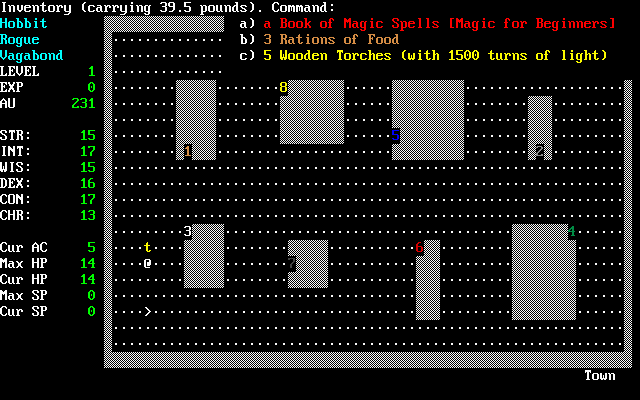
May’s game, Angband, asked something similar of its players. Your character, the little @ on the map above, starts in town. You buy supplies and head underground. The goal is to survive long enough to reach the hundredth floor and defeat Morgoth. If your character dies, the next one has to start all over again in town. Think how tempting a backup gets when you’ve spent days keeping the old one alive.
May had already won that way. Now he was trying it without a backup. Some 1,500 feet underground, his priest was lugging around weapons he meant to sell when he ran into an ogre. All that weight slowed him down. He could have retreated, sold the weapons and come back lighter. Instead he stayed to fight and got the priest killed.
In July 1996, May posted his equipment list to Usenet, where players traded stories and advice. He’d tried about six times, he wrote, and this priest had reached level 30. He added two words to qualify the achievement: “without save-scumming.” While he didn’t explain them, all the readers knew what he meant. This is the earliest use of the phrase we could find. Nobody knows who first said it.
Why “scumming”?
May’s readers had a name for a trick you could pull just by climbing stairs. Each time you went down a floor, Angband made a new layout. If it looked unpromising, you could go back up, come down again and see what you got. Players called that stair-scumming. A spare save let you do much the same thing with a monster: kill it, see what treasure it dropped, then go back and kill it again until you got something you liked.
That’s the family of words save scumming belonged to. Even the people who used them disagreed over what counted as cheating. In the discussion about May’s priest, Matt Craighead thought it was fine to try for a better floor. Bringing a character back from the dead or killing the same monster for better treasure crossed his line.
The group’s own guide had a section grandly titled “Essay on the Ethics of Savefile Abuse.” You might expect a telling-off. Here’s what players actually found:
“As long as you enjoy the game, who cares?”
The guide asked one favor: if you told the group you’d won, say whether you’d used backups. May gave them the same courtesy when he reported his loss. And what they wanted to talk about was the fight. One reader admired the priest’s robe. Another thought he’d been short on healing supplies. May admitted it had been late, he’d had a few beers, and he’d got careless.
By the end of the conversation, May had an idea for his next character. Grimm Senior and Grimm Junior were dead. Grimm’s grandson would have to take over. In September he told the group he liked the game better this way. He could work out what had gone wrong after each death. The grandson would have to earn his own equipment, but the person playing him already knew when to go back to town.
A trick you might recognize
May could pass a lesson from one character to the next. With a backup, he could have kept the lesson and the character. A few years later, another Angband player described a neat way to do just that, without anyone having to die.
Say you find an item and don’t know what it does. Sell it to a shopkeeper and the sale tells you what it is. Load your earlier save and the item is back in your pack, only now you know what you’re carrying. In a 1999 discussion of the trick, another player recognized it as save scumming.
It’s the same trick as taking back the joke that cost you a friend. To the shopkeeper, the sale never happened. To your friend, you said the kind thing the first time. Only you remember both versions. And sometimes the thing you’d like a second try at is pure luck.
One shot at 99%
In XCOM: Enemy Within, you’re in charge of a squad fighting aliens. In the shot below, a player named baldaquinn orders a sniper to fire from behind a tree. The game puts the chance of a hit at 99%. The sniper fires. Over the target, one word appears: “Missed.”
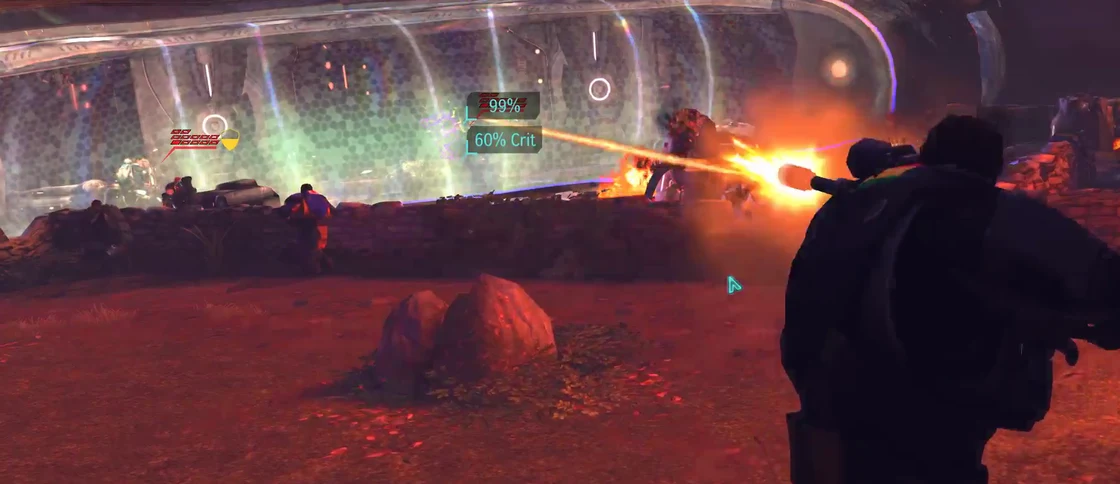
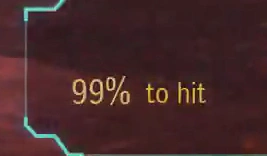
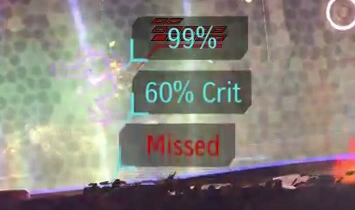
Suppose you saved just before the shot. You can go back and send the sniper somewhere safer. But what if you liked the plan and just wanted another roll of the dice? Normally, if you load the save and do everything in the same order, you’ll see the sniper miss again. The game saved the next roll along with the soldier’s position.
In 2013 the designers gave players a choice. Look in the Enemy Within settings and there’s the phrase May used all those years ago, now the name of an option: Save Scum. Switch it on and reloading gives you a fresh roll. Lead designer Anand Gupta explained who it was for: “For people who really want to keep shooting until that 80% shot hits.”